Is Your Packaging Line Ready for the Biggest Barcode Change in 50 Years?
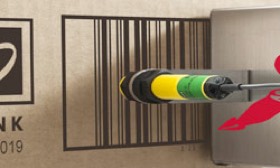
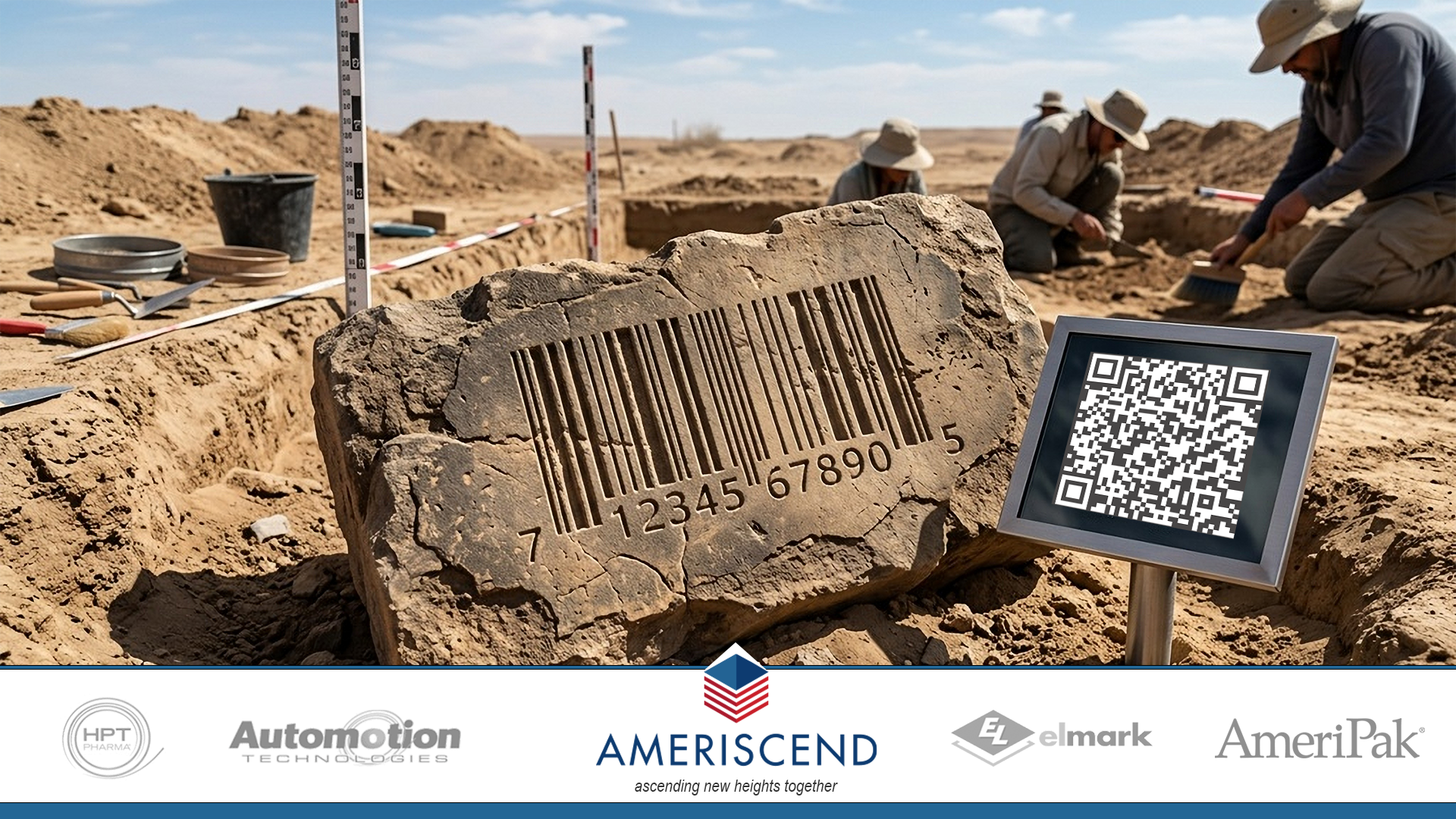
The barcode has been a fixture on consumer products since 1974. For half a century, that familiar row of black lines has done one job reliably — identify a product at checkout. But that’s about to change in a significant way, and manufacturers across food & beverage, CPG, cosmetics, and healthcare need to start paying attention now.
What Is GS1 Sunrise 2027?
GS1 Sunrise 2027 is an industry-wide initiative to transition retail point-of-sale systems from traditional 1D UPC barcodes to 2D barcodes — specifically QR codes and GS1 DataMatrix codes. These 2D codes are capable of carrying far more information than a standard UPC, including a product’s Global Trade Item Number (GTIN), expiration date, batch and lot numbers, serial numbers, and even URLs that connect the physical product to digital content and traceability systems.
The goal is straightforward: by the end of 2027, all retail point-of-sale systems should be capable of scanning and processing 2D barcodes alongside the legacy UPC. Major retailers including Walmart, Target, and Kroger have already signaled they will be ready — and Kroger has already become the first major U.S. retailer to begin scanning 2D codes at checkout.
This is not a distant, theoretical shift. It is happening now.
Two Transitions Happening at the Same Time
What makes this moment particularly important for manufacturers is that there are actually two separate barcode transitions underway simultaneously — and they affect different parts of your packaging operation.
The first is the consumer-facing transition at retail checkout. This is the Sunrise 2027 initiative described above, and it affects the barcodes printed or applied directly on your consumer packaging.
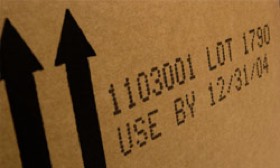
The second involves your shipping cases and supply chain. GS1-128 barcodes — which encode lot numbers, expiration dates, and other traceability data on secondary packaging — have been a supply chain requirement for years in many industries. FSMA 204, the FDA’s food traceability rule, extended its enforcement timeline to 2028, but the underlying requirement for traceability lot codes remains firmly in place. This is creating significant demand for coding and marking equipment capable of high-resolution printing, variable data, and barcode verification — particularly in food and beverage.
Both transitions point to the same conclusion: the equipment on your line needs to be able to do more than it may have been asked to do before.
Why This Matters for Your Production Line
Here is a critical detail that often gets overlooked in discussions about 2D barcodes: unlike traditional UPC barcodes that are pre-printed on packaging at the design stage, 2D codes frequently include production-specific data — batch numbers, lot codes, expiration dates, line identifiers — that can only be determined at or near the time of packaging.
That means these codes need to be printed inline, in real time, on your production floor. And they need to be printed accurately and consistently every time, because a 2D barcode that is poorly printed, misaligned, or unverifiable is not just inconvenient — it can mean a product fails to scan at checkout, gets flagged in a traceability audit, or creates compliance problems under FSMA.
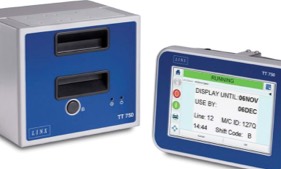
The resolution, contrast, and placement precision required for a scannable 2D DataMatrix or QR code is meaningfully higher than what was needed for a standard UPC or simple date code. If your current inkjet, thermal transfer, or print-and-apply system was selected years ago for basic code dating, it may not be equipped for what is coming.
What to Look for in Your Equipment
As you evaluate your current coding and marking setup, here are the key capabilities to consider:
High-resolution printing. 2D barcodes require sharper, more precise print quality than 1D codes. High-resolution inkjet systems and thermal inkjet solutions are well suited to this requirement, particularly for primary packaging.
Variable data capability. Your equipment needs to handle dynamic, serialized data that changes from product to product or run to run — lot numbers, expiration dates, serial numbers — without slowing your line.
Barcode verification. Printing a 2D code is one thing. Knowing it is scannable and compliant is another. Inline verification systems confirm that each code meets GS1 quality standards before the product leaves your line.
Dual marking during the transition. GS1 recommends that brands use both a traditional 1D barcode and a 2D code on packaging during the transition period, since not all retail POS systems will be 2D-ready simultaneously. Your equipment needs to accommodate both.
Placement precision. 2D codes cannot drift close to the existing 1D barcode on the package. Accurate, consistent placement — particularly on irregular or flexible surfaces — requires equipment that is dialed in.
Which Industries Are Most Affected?
While Sunrise 2027 touches virtually every consumer product category, certain industries face the most immediate pressure:
Food & Beverage faces a two-front challenge — Sunrise 2027 on consumer packaging and FSMA 204 traceability requirements on the supply chain side. Lot codes, expiration dates, and harvest/processing records all feed into traceability systems that rely on accurate, machine-readable barcodes.
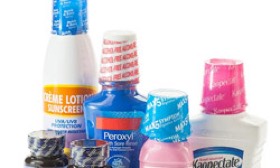
CPG and Personal Care brands selling through major retail chains will need to comply with retailer requirements as Walmart, Target, and others formalize their Sunrise 2027 readiness expectations for suppliers.
Healthcare and Pharmaceuticals have been working with GS1 DataMatrix codes on unit-of-use packaging for years under UDI requirements. The broader retail transition and expanded traceability expectations will extend these demands further.
Cosmetics brands, particularly those selling through mass retail, will face the same POS readiness requirements as food and CPG.
Now Is the Right Time to Start the Conversation
The companies that will be best positioned when 2027 arrives are the ones having conversations about equipment readiness today — not six months before their largest retail customer requires it.
That does not necessarily mean replacing everything on your line right now. For some operations, existing equipment can be upgraded or supplemented. For others, a more significant change makes sense. The important thing is understanding where you stand before the timeline compresses.
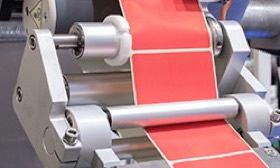
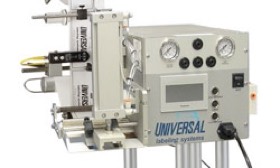
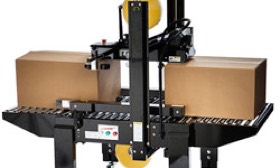
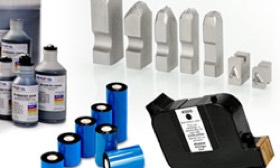
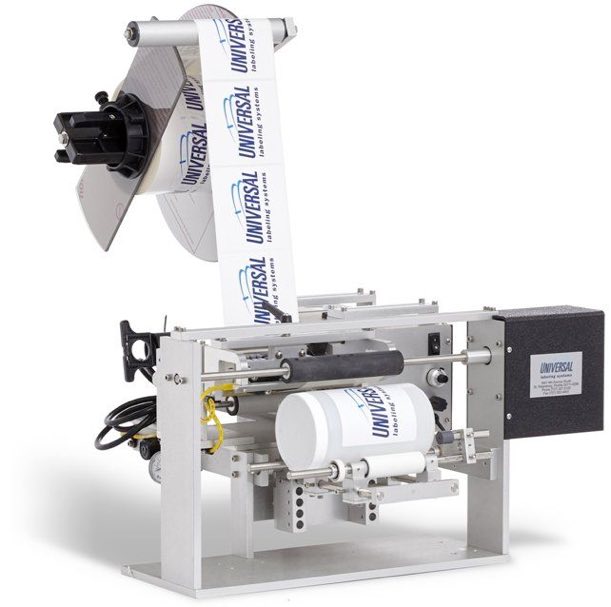
At Elmark Packaging, we have spent over 40 years helping manufacturers in food & beverage, CPG, healthcare, and beyond put the right information on the right package — accurately, consistently, and at line speed. From high-resolution inkjet systems and thermal inkjet coders to thermal transfer overprinting and print-and-apply label applicators, we can help you evaluate your current setup and identify what, if anything, needs to change. And if you need the labels themselves, we can print those too. Whether you need GS1 Sunrise-ready barcode labels, compliance labels with lot codes and expiration dates, or custom printed labels for any application, Elmark’s label printing services have you covered — with a full range of materials, finishes, adhesives, and formats including direct thermal, thermal transfer, die-cut, and pressure-sensitive constructions.
Call us today and let us take a look at where your line stands. 40 years of expertise — put it to work for you – 1-800-670-9688 or fill out our contact form.